Speaking
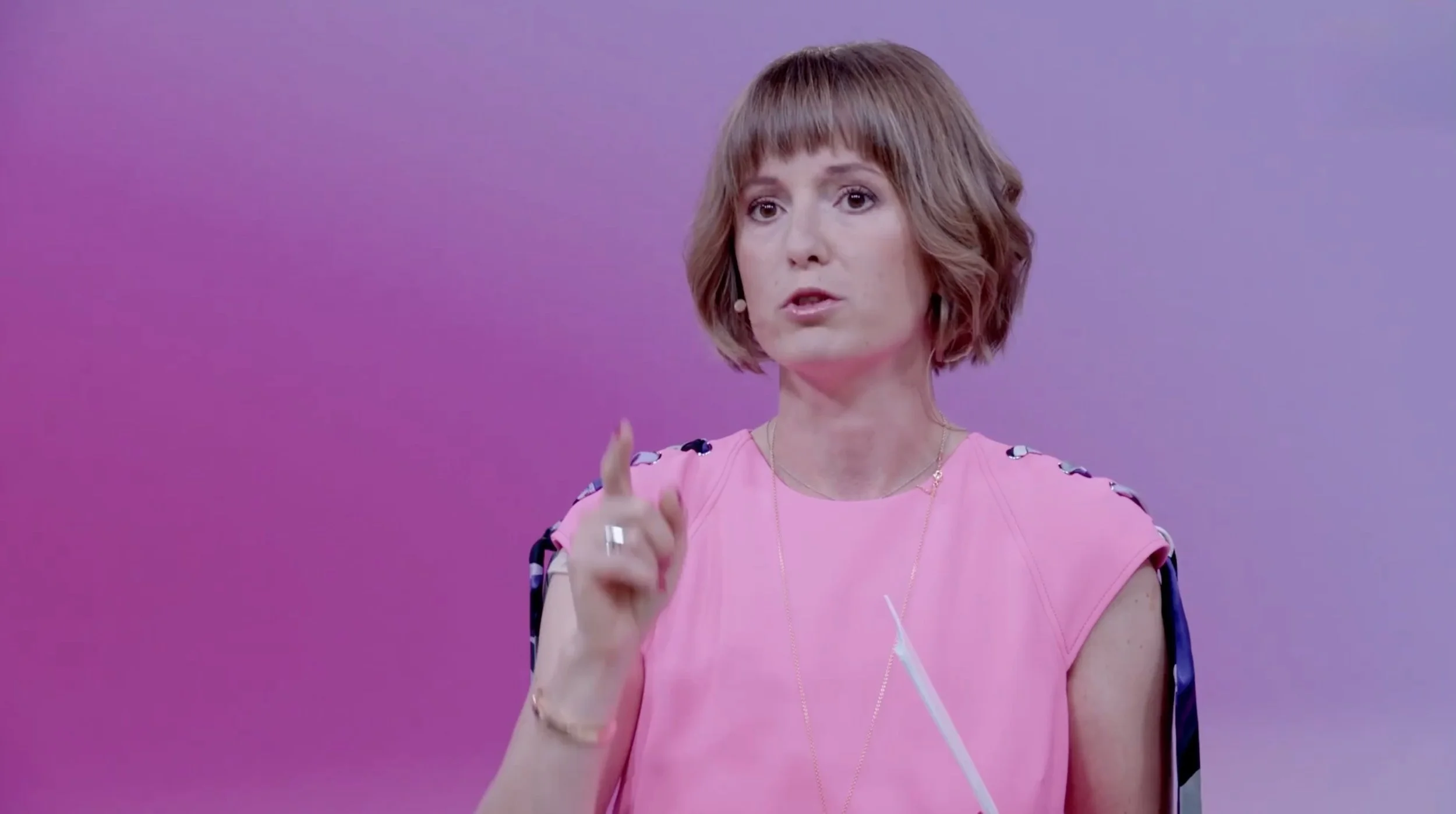
As a recognized expert with a dynamic stage presence, Vera has spoken at dozens of conferences, business schools, and companies worldwide.
Vera speaks about business ethics, accountability, risk, and governance.
She has delivered keynotes, panels, and workshops at dozens of conferences and companies, including the World Bank, the Institute of Corporate Directors, the Basel Institute on Governance, the OECD, the International Chamber of Commerce, top-tier business schools, and global corporations.
Conferences














New Tech & Fight Against Corruption
OECD Global Anti-Corruption & Integrity Forum, Paris 2019

The Power of Partnership
European Compliance and Ethics Conference, Munich 2024

Compliance As A Competitive Advantage
TEID International Ethics Summit, Istanbul 2023
Popular Topics
-
In this session, Vera distills the How Boards Should Oversee Ethics guide into a practical board agenda: what to ask for, what to measure, and how to intervene when signals from the ground don’t match the story. Using real cases, she connects virtue-based judgment (prudence, truthfulness, justice) to concrete board levers: risk oversight, incentive design, speak-up systems, investigations, and accountability.
Attendees take away a workable framework for making ethics a repeatable part of board decision-making.
-
The descriptions of what culture is can be grouped broadly into cultural values and cultural norms. While values are the ideals employees need to strive to fulfill, norms reflect whether employees “walk the talk” by actually living out these values. Leaders play a central role by aligning the two with the help of incentive systems. When there is a misalignment, culture is not where it needs to be.
Employees may be encouraged to think long-term in cultures fixated on immediate results, or they may be taught to uphold high standards of integrity yet work in a culture that rewards cutting corners to meet aggressive targets and deadlines. In these cases, we usually see competition instead of collaboration, self-protection instead of learning and growth, and high employee turnover as a consequence, with “toxic corporate culture” driving employees away.
In this talk, Vera shares practical, easy-to-apply advice on how organizations can build a workplace culture where aspirational values and daily norms of behavior are aligned. She also emphasizes the importance of creating an environment where managers encourage dissent, debate, and genuine expression of opinions while nurturing a sense of belonging.
-
What is the best way to drive Ethics and Compliance to the center of corporate decision-making? Arguably, to have more people with E & C background on Boards. In this talk, Vera shares practical insights for those considering board membership, offering guidance on how to embark on this journey. Audience members discover how to build strategic relationships with the Board by providing effective reports and delivering impactful presentations. Attendees are inspired by firsthand stories from current board members, sharing their paths to success and providing actionable ideas to achieve similar goals.
-
In this talk, Vera offers a firsthand perspective on the synergy of collaboration between Compliance, Risk, and Internal Audit – including the potential for teaming up when regulations permit -- emphasizing the benefits of a combined approach to navigating challenges and fostering a culture of trust and resilience. Audience members uncover the practical advantages stemming from the collaborative efforts of these functions and how harmonizing expertise between these functions empowers the Board of Directors to gain comprehensive insights, enabling them to better identify, anticipate, and address emerging challenges and risks.
-
Vera has lived and worked in several regions of the world with distinct regulatory and enforcement systems, economic and political realities, and the rule of law. All of that is relevant to the Ethics and Compliance field, as people's propensity to follow or break rules may vary and be driven by diverse factors. In this talk, Vera offers practical insights and guidance for multinational companies on effectively implementing - and overseeing - global E&C programs. Audience members learn strategies for adapting to different regional contexts and prioritizing efforts to ensure compliance across diverse environments.
-
Gallop says there are as many cultures in an organization as there are managers.
We are used to looking at company-wide culture, assuming that culture is monolithic across the entire organization. However, the idea of "one culture" is unrealistic, particularly in today's decentralized corporate landscapes. Cultural norms in sales differ from those in internal audit or executive roles, as cultural expectations vary between regions like the UK, Japan, and India. People in each department are recruited from different backgrounds, given different tasks, and rewarded and managed in different ways.
In this talk, Vera shares research-backed tools and frameworks for behavioral risk and subculture assessments, from identifying areas prone to behavioral risks to subculture audits and creating your organization’s behavioral risk map. These steps provide a strong foundation for sustainable organizational change.